Key takeaways
- Looking for the best cheap gravel bike 3 riders can afford? Compare three budget-friendly gravel bikes for dirt roads, commutes, and weekend adventures.
Finding the best cheap gravel bike 3 riders can actually afford is harder than it should be. Most gravel bikes sold through traditional bike shops carry a premium, and the models cycling magazines praise are often unavailable through online retailers. That leaves budget-minded riders sorting through a crowded online marketplace, trying to tell a genuine gravel bike apart from a road bike with a rugged name.

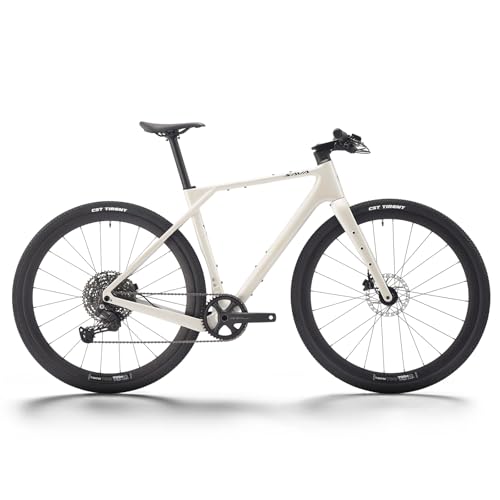
The quick answer is that the best cheap gravel bike 3 shoppers will find on Amazon US right now is the Schwinn Sporterra RX. It pairs a lightweight aluminum frame with drop handlebars, mechanical disc brakes, and 700c wheels fitted with multi-terrain tires, giving new riders a proper gravel setup without the premium attached to carbon frames or boutique brands. Riders who want a lighter carbon frame can look at the SAVADECK carbon gravel bike, while the EUROBIKE XC580 suits riders on the tightest budget who mostly ride hardpack dirt and pavement.
This guide compares three affordable gravel bikes that are listed on Amazon US, explains what matters when you shop at the budget end of the market, and flags the compromises each bike makes so you can choose with your eyes open.
Quick Picks
Our Short List of 3
All 3 Picks at a Glance
| Product | Specs | Action |
|---|---|---|
| Schwinn Sporterra RX Gravel Bike | Check price on Amazon | |
| SAVADECK Carbon Gravel Bike U6000 | Check price on Amazon | |
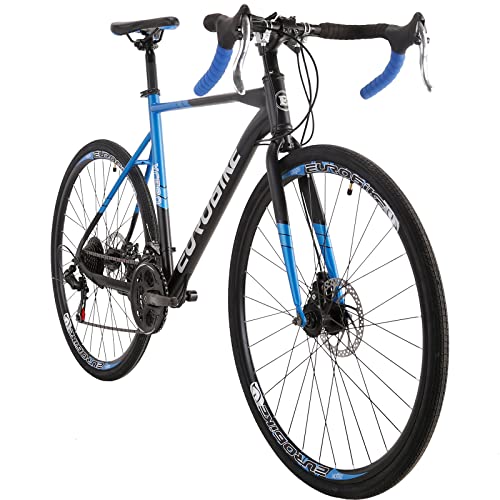 EUROBIKE XC580 Gravel Bike | Check price on Amazon |
How to Choose
A low-cost gravel bike is a balance of trade-offs. The frame, tires, gearing, and brakes all shape how the bike rides, and at this end of the market every model gives up something. Knowing which compromises matter to you is the difference between a bike you ride for years and one that gathers dust in the garage.
Frame Material
Most affordable gravel bikes use aluminum frames. Aluminum keeps weight reasonable and cost down, and it resists corrosion when you ride through wet conditions. A carbon frame, like the one on the SAVADECK in this guide, is lighter and absorbs more vibration from rough surfaces, but it usually comes from a direct-to-consumer brand with no local shop network behind it. Steel frames appear on some budget models and offer a comfortable ride, yet they tend to weigh more. For a first gravel bike, aluminum is the sensible default: durable, affordable, and easy to live with.
Tire Clearance and Tread
Tires decide whether a bike is truly a gravel bike or simply a road bike with a new label. Look for tires at least 35 mm wide, with a tread pattern that grips loose surfaces. Wider tires, around 38 to 40 mm, roll over washboard dirt and loose gravel with more confidence and comfort. A bike that only accepts narrow slick tires will feel nervous the moment the pavement ends. Check the frame and fork clearance too, because a bike that cannot fit wider rubber limits how far you can take it off road.
Gearing
Gravel riding means steep climbs on loose ground, loaded touring, and long flat stretches, so gear range matters more than the number of speeds on the box. A wide-range drivetrain with a low climbing gear helps you spin up hills instead of grinding. Entry-level bikes often use 14-speed setups with a double chainring, which covers most terrain for new riders. Higher-spec bikes add an 11-speed groupset with smoother shifting and a broader range. Whatever the setup, make sure the lowest gear is low enough for the hills you actually ride.
Brakes
Disc brakes are the standard for gravel riding because they stop reliably in rain, mud, and dust. Mechanical disc brakes, found on the most affordable bikes, are simple to adjust and service with basic tools. Hydraulic disc brakes offer stronger stopping power with less hand effort, and they self-adjust as the pads wear, but they cost more and need specialist tools when they require service. Either type works well for gravel riding; the key point is that the bike has disc brakes rather than rim brakes, which struggle in wet and muddy conditions.
Fit and Sizing
A gravel bike that does not fit will never feel right, no matter how good its components are. Online listings sell bikes by frame size, usually measured in centimeters, and each size suits a height range given in the size chart. Read that chart before ordering, and measure your height and inseam rather than guessing. A frame that is too large stretches you out over the bars, while a frame that is too small leaves you cramped and twitchy on descents. If you fall between sizes, the smaller frame is usually the safer choice for off-road control.
Mounts and Versatility
One of the strengths of a gravel bike is versatility. Rack and fender mounts turn it into a commuter or a light touring bike, while extra bottle mounts help on long rides away from shops. A bike with several mounting points adapts to more uses over its life. Also consider whether the frame accepts a rear rack and mudguards, because those additions extend the riding season and make the bike useful for daily transport as well as weekend adventures.
The Best best cheap gravel bike 3 Reviewed
Schwinn Sporterra RX Gravel Bike
The Schwinn Sporterra RX is the most well-rounded affordable gravel bike in this guide. It is built around a lightweight aluminum frame with a rigid fork, 700c wheels, and Schwinn 700 x 38c multi-terrain tires that provide traction on pavement and unpaved roads alike. The 14-speed drivetrain uses a shifter and brake lever combination with an alloy double crank, giving enough range for rolling terrain and moderate climbs. Alloy mechanical disc brakes deliver consistent stopping power in varied conditions.
Schwinn lists this bike for riders from 5 feet 6 inches to 6 feet tall, and it comes with a limited lifetime warranty on the frame, a one-year limited warranty on parts, and a 30-day limited warranty on wearable parts. Assembly is straightforward with common household tools and the included instruction guide, though new riders should budget time for brake and derailleur adjustment, or ask a local shop to check the build. The quick-release seat post makes height adjustment simple, and the upright riding position keeps the bike comfortable on longer rides.
The trade-offs are honest ones for the budget. The 14-speed drivetrain is entry-level, so shifting is functional rather than refined, and the bike is best suited to light gravel, rail trails, and mixed-surface commuting rather than rough singletrack. Riders planning technical descents or heavily loaded touring will outgrow it sooner. For a first gravel bike, however, it covers the essentials: a real gravel frame, disc brakes, drop bars, and tires wide enough for dirt.
SAVADECK Carbon Gravel Bike U6000
The SAVADECK carbon gravel bike is the pick for riders who want a carbon frame without moving into premium territory. Its T800 carbon frame and fork keep the complete bike light, at around 10.4 kilograms, and carbon damps vibration from rough surfaces better than aluminum. The Shimano U6000 11-speed groupset, hydraulic disc brakes, and 700 x 40c all-terrain tires give it a spec sheet that reads like a much more expensive machine.
SAVADECK offers the bike in 47 cm, 49 cm, and 51 cm frame sizes, and the listing includes assembly tools, pedals, and a user manual. The two-year warranty is generous for a direct-to-consumer brand. The 11-speed Shimano drivetrain shifts more crisply than the entry-level setups on cheaper bikes, and hydraulic brakes need less hand effort on long descents.
The main caveat is the buying experience. SAVADECK sells direct through its official Amazon store rather than through local bike shops, so there is no shop to handle assembly, fitting, or warranty service in person. New riders should be comfortable assembling a bike from a box or budgeting for a professional assembly check. The carbon frame also demands more care than aluminum if the bike is dropped or knocked. Even so, for riders who know what they want and value light weight and hydraulic brakes, this is the strongest specification among affordable gravel bikes listed on Amazon US.
EUROBIKE XC580 Gravel Bike
The EUROBIKE XC580 is the lowest-cost path into gravel riding in this guide, and it is best understood as a light-gravel and commuter bike rather than a hard-core adventure machine. It uses an aluminum frame with 700c wheels and 700 x 35c tires, disc brakes, and a 54 cm frame aimed at adult riders. The tire width and tread suit hardpack dirt, towpaths, and paved roads, and the disc brakes give reliable stopping in wet weather.
Partial fit flag: the 35c tires are on the narrow side for loose or chunky gravel, so this bike is a partial fit for the keyword. It handles smooth dirt and packed trails well, but riders who regularly face deep gravel, mud, or rocky tracks will want wider tires and more clearance than this model offers. Think of it as a gravel-capable commuter that can explore light trails, not a dedicated off-road adventure bike.
The XC580 makes sense for riders who want to try drop-bar riding on dirt without a large outlay, or for commuters whose route includes unpaved stretches. Its simple specification keeps maintenance straightforward, and the aluminum frame is durable for daily use. Just go in with realistic expectations about terrain, and check the size chart carefully, since the 54 cm frame suits taller riders.
What to Check Before You Buy
Before ordering any budget gravel bike online, work through a short checklist. First, confirm your frame size against the manufacturer’s height chart and measure yourself rather than estimating. Second, plan for assembly: most online bikes arrive partly assembled, and brakes and gears usually need adjustment before the first ride. A professional assembly check is money well spent if you are new to bike maintenance. Third, check what is included in the box, such as pedals, tools, and manuals, so you are not caught short on delivery day.
Fourth, think about the extras you will need: a helmet, lights, a lock, and a pump are essential, and mudguards and a rack extend the bike’s usefulness. Fifth, read the warranty terms and the returns policy, since direct-to-consumer brands vary widely in how they handle problems. Finally, be realistic about terrain. A budget gravel bike excels on dirt roads, rail trails, and light trails; it is not a mountain bike, and pushing it into technical singletrack will expose its limits quickly.
FAQ
Is a cheap gravel bike good enough for real gravel riding?
Yes, for the riding most people actually do. A budget gravel bike with disc brakes and tires at least 35 mm wide handles dirt roads, rail trails, towpaths, and light trails well. The limits show up on rough, rocky, or muddy terrain, where wider tires, better gearing, and more refined components make a bigger difference. Match the bike to your routes and it will serve you well.
What tire width should a gravel bike have?
For mixed-surface riding, tires between 38 and 40 mm wide are a good starting point. They roll efficiently on pavement and grip well on loose dirt. Narrower tires around 35 mm work on hardpack and smooth trails but struggle in deep gravel. Wider tires add comfort and control at the cost of a little speed on pavement.
Are disc brakes necessary on a gravel bike?
Disc brakes are strongly recommended. They stop consistently in rain and mud, where rim brakes lose power, and they work with wider tires and muddy rims. Mechanical disc brakes are fine for most riders and easy to service, while hydraulic disc brakes offer more power with less effort.
Aluminum or carbon frame for a budget gravel bike?
Aluminum is the practical choice for most budget buyers: durable, affordable, and easy to repair. Carbon is lighter and smoother over rough ground, but it costs more and needs more care. If you can find a carbon bike from a reputable seller within your budget, it is a genuine upgrade; otherwise, a well-built aluminum frame is the smarter buy.
Do I need a professional to assemble a bike bought online?
Not always, but it is wise for a first bike. Online bikes arrive partly assembled, and brakes, gears, and headset adjustment all affect safety. If you are confident with tools and follow the manual, you can do it yourself. If not, a local shop can assemble and check the bike, which also gives you a relationship with a mechanic for future service.
Bottom Line
The best cheap gravel bike 3 riders can buy depends on how and where they ride. The Schwinn Sporterra RX is the best overall affordable gravel bike, with a proper gravel frame, disc brakes, and tires wide enough for real dirt at a budget-friendly cost. The SAVADECK carbon gravel bike suits riders who want lighter weight, hydraulic brakes, and a Shimano 11-speed groupset, and who are comfortable buying direct. The EUROBIKE XC580 is the lowest-cost entry point, best for hardpack dirt and commuting, with the understanding that its narrower tires limit it on loose gravel.
Whichever you choose, size it correctly, budget for a proper assembly check, and start on the terrain the bike was built for. A well-chosen budget gravel bike opens up dirt roads, trails, and commutes that a road bike cannot reach, and that versatility is what makes this category so appealing.
Disclosure: As an Amazon Associate, we may earn from qualifying purchases.