Key takeaways
- Looking for the best bike to make a supermoto? Learn which dirt bikes make the best donors, what the conversion takes, and what to check before you build.
A supermoto is one of the most fun motorcycles you can ride on the street. It is a dirt bike that has been converted for pavement: small wheels with sticky street tires, a big front brake, stiffened suspension, and lights and mirrors so it can be ridden legally on public roads. The result is a light, narrow, wheelie-happy machine that turns city streets and twisty back roads into a playground.
The most important decision in any supermoto project is not which exhaust to buy or which graphics kit looks best. It is which bike you start with. The donor bike decides how much the conversion costs, how reliable the finished bike will be, how easy it is to make street legal, and how much fun it is to ride when the build is done. Choose the wrong donor and you will spend the whole project fighting the bike. Choose the right one and the conversion is mostly a matter of wheels, brakes, and paperwork.
An important note on scope: this article is a guide, not a shopping list. Complete donor motorcycles are sold through franchised dealers, not through Amazon US, so there are no product picks with purchase links in this article. The bikes named below are discussed so you know what to look for at a dealer or in the used market, and the conversion parts are described by type so you can judge the full cost of the project before you commit. Do not buy a donor bike online sight unseen, and always check your local registration and equipment rules before you start cutting or spending.
What Makes a Good Supermoto Donor
Not every dirt bike converts well. The best donors share a handful of traits, and it is worth checking each one before you hand over any money.
A strong, proven engine. Supermoto riding means constant hard acceleration, high revs, and a lot of time at wide-open throttle. An engine that is already known for durability in enduro or motocross use will hold up far better than an obscure or high-strung motor with a short service interval. Look for models with a long production run, a deep aftermarket, and plenty of owner reports of high mileage without major work.
A chassis that accepts 17-inch wheels. The defining feature of a supermoto is a pair of 17-inch wheels wearing street tires. The donor needs enough clearance at the swingarm, fork, and chain for a wide rear tire, and the front end needs room for a large brake rotor. Most modern motocross and enduro bikes accept a conversion wheel set without frame surgery, but some older or unusual models do not, so confirm wheel fitment for the exact model year before you buy.
Suspension that can be set up for the street. Dirt suspension is soft and long-travel by design. A good donor has forks and a shock that can be revalved and resprung for pavement without exotic parts. Bikes with common fork diameters and widely available spring rates make this far cheaper.
A realistic path to street legality. This is the step that kills more supermoto projects than any mechanical problem. In many places, a bike that left the factory as an off-road-only machine cannot simply be registered, no matter how many lights you bolt on. Bikes that were sold with a street-legal title, or that have a clear conversion path in your state or country, save you from a very expensive dead end. Check the title status and your local rules before you buy the bike, not after.
Parts availability. You will need wheels, tires, a brake setup, gearing, and probably a lighting kit. If the donor is a popular model, all of that exists off the shelf. If it is rare, every part becomes a custom order.
The Best Donor Bikes to Make a Supermoto
The bikes below are the donors that experienced builders return to again and again. They are grouped by what they are best at, because the right donor for a daily commuter is not the same as the right donor for a track-day toy.
Honda CRF450R and CRF250R: The Reliable All-Rounders
Honda’s CRF motocross bikes are the default answer for a first supermoto build, and for good reason. The engines are strong and well understood, the chassis is stable, and the aftermarket for wheels, brakes, and suspension is enormous. A CRF450R gives you the torque to power out of slow corners and loft the front wheel at will, while the CRF250R is lighter, cheaper to run, and more forgiving for a newer rider.
The trade-off is maintenance. Motocross engines are built for short, hard use, so valve checks and oil changes come around quickly compared with a street bike. If you plan to ride every day, budget for that service schedule. Also note that motocross CRFs are off-road machines, so street legality depends entirely on your local rules and the title the bike carries.
Yamaha YZ450F and WR250F: The Balanced Choices
Yamaha’s YZ450F is one of the most respected motocross platforms ever built, with a strong, linear engine and a chassis that feels planted on pavement. The WR250F, its enduro sibling, is arguably the smarter pick for a street build: it comes with lights, a wider-ratio gearbox, and a more relaxed service schedule, all of which make the conversion easier and the finished bike more pleasant to live with.
If your goal is a supermoto you can actually ride to work, a WR-based build deserves a long look. The electric start, the lighting, and the enduro gearing solve three of the biggest headaches in one stroke.
KTM 450 EXC-F and 500 EXC-F: The Ready-Made Street-Legal Option
KTM’s EXC-F enduro range is the closest thing to a factory supermoto donor. These bikes are sold street legal in many markets, with lights, mirrors, a horn, and a proper title from the factory. The 500 EXC-F in particular is famous among supermoto riders for its huge torque and its ability to cruise at highway speed without feeling strained, something few converted motocross bikes can say.
The catch is cost and maintenance. KTMs are premium machines with premium parts prices, and the high-performance engines still want regular service. But if you want the shortest path from the showroom to a legal supermoto, this is it.
Husqvarna FE 450 and FE 501: The KTM Cousins
Husqvarna’s FE range shares its platform with KTM’s EXC-F bikes, so you get the same street-legal starting point and the same strong engines, wrapped in different bodywork and suspension tuning. Many riders prefer the feel of the Husqvarna chassis, and the FE 501 is a favorite for riders who want maximum torque in a package that still handles like a dirt bike.
As with KTM, check parts prices and dealer support in your area before you commit, since both matter more once the bike is your daily rider.
Suzuki DR-Z400SM: The Bike That Is Already a Supermoto
If you want to skip the conversion entirely, the DR-Z400SM is the answer. Suzuki sells it as a factory supermoto, with 17-inch wheels, street tires, a big front brake, and full street equipment already fitted. It is heavier and less powerful than a converted 450 motocross bike, but it is also far cheaper to own, famously reliable, and ready to ride the day you buy it.
For a first supermoto, or for a rider who wants to ride rather than wrench, the DR-Z400SM is hard to beat. It is also the best way to learn what you like about supermoto riding before you invest in a full custom build.
Aprilia SXV 450 and 550: The Exotic Pick
The Aprilia SXV twins are the wild cards of the supermoto world. A compact V-twin engine in a featherweight chassis gives them acceleration and character that no single-cylinder bike can match, and on a tight track they are genuinely fast. They are also demanding: service intervals are short, parts are expensive, and not every mechanic will touch one. Buy one only if you understand what you are getting into and you have a specialist nearby.
What the Conversion Actually Involves
Understanding the work helps you budget honestly. A typical conversion has six parts.
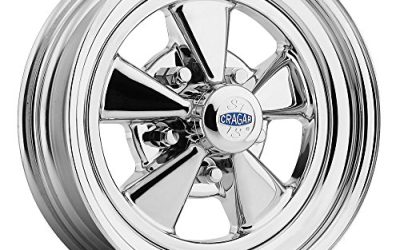
Wheels and tires. A set of 17-inch supermoto wheels, usually with a wider rear rim, plus sticky street tires. This is the single biggest expense in most builds, and it is also the part that changes the bike the most. Budget for proper tires; cheap rubber on a supermoto is a false economy.
Brakes. A larger front brake rotor, often with a caliper relocation bracket, and sometimes a bigger master cylinder. Supermotos are light and fast, and the stock dirt brake is not designed for repeated hard stops on pavement.
Suspension. Stiffer springs and revalved damping front and rear, plus a setup for your weight and riding style. The bike should sit flatter, dive less under braking, and stay composed over bumps at road speed.
Gearing. Taller gearing to suit road speeds, usually by changing the rear sprocket. The right ratio depends on whether you ride tight streets or open highways, so treat the first sprocket as a starting point rather than a final answer.
Lighting and street equipment. Headlight, taillight, brake light switch, turn signals, mirrors, horn, and a license plate mount, as required where you live. Enduro-based donors already have much of this; motocross donors need all of it.
Protection and finishing. Hand guards, case savers, a skid plate if you ride rough roads, and a sidestand if the donor does not have one. These small parts add up, so include them in the budget.
How Much to Budget
Costs vary widely by donor and by how much work you do yourself, but a realistic plan accounts for the bike, the wheel set, tires, brakes, suspension work, gearing, lighting, and registration costs. The wheel set alone is often the largest single purchase after the bike itself. Riders who buy a cheap donor and then discover the conversion costs more than the bike are a common story, so price the conversion before you buy the donor, not after.
Buying a bike that is already converted can be good value, but inspect it carefully. Check that the wheels are true, the brakes are correct for the model, the suspension work was done properly, and the title is clean and street legal. A badly converted bike can cost more to fix than building one yourself.
Street Legality: Read This Before You Spend Anything
Rules differ sharply by location. Some places allow converted off-road bikes to be registered with the right equipment and an inspection; others do not allow it at all. A bike with an off-road-only title or a certificate of origin marked for competition use may never be registerable, regardless of what parts you fit.
Before you buy, confirm the title status of the exact bike, confirm the equipment list your jurisdiction requires, and confirm whether an inspection is needed. Talk to your local licensing authority or to a shop that has completed legal conversions in your area. A short conversation now can save you from owning a bike you cannot legally ride.
Supermoto Versus a Naked Street Bike
It is worth asking whether a supermoto is really what you want. Compared with a normal street bike, a supermoto is lighter, narrower, and more playful at low speed, and it forgives rough roads that would punish a sport bike. It is also less comfortable on long highway rides, needs more frequent maintenance, and carries almost no luggage. If your riding is mostly city streets, back roads, and short trips, a supermoto is brilliant. If you regularly ride long distances at highway speed, a street bike or an adventure bike may serve you better.
How to Choose Your Donor
Use this short checklist to narrow the field.
- Decide your main use. Daily riding points toward an enduro-based donor or a factory supermoto. Track days point toward a motocross donor.
- Check legality first. Confirm the title and the registration path before you look at parts.
- Pick a popular model. A common donor means off-the-shelf wheels, brakes, and suspension parts.
- Price the whole conversion. Add up wheels, tires, brakes, suspension, gearing, and lighting before you buy the bike.
- Buy on condition. A well-maintained donor with service history is worth more than a cheap bike with an unknown past.
- Ride one first. If you can, borrow or rent a supermoto before you build one. The riding position and the feel are unlike any other street bike, and you should know you love it before you invest.
The Bottom Line
The best bike to make a supermoto depends on what you want from the finished machine. For most riders, a street-legal enduro such as the KTM 500 EXC-F or the Husqvarna FE 501 gives the shortest and most reliable path to a legal, fast supermoto. A Honda CRF450R or Yamaha YZ450F makes a superb track-focused build if you can solve the registration question. And if you simply want to ride, the Suzuki DR-Z400SM is already the bike you are trying to build.
Whatever donor you choose, do the paperwork research first, budget the full conversion honestly, and buy on condition. A supermoto is one of the most rewarding motorcycles you can own, and a careful build is what makes it stay that way.
Affiliate Disclosure: As an Amazon Associate, we may earn from qualifying purchases made through links on this page, at no extra cost to you.