Our Short List of 3

- Best for: Owners of standard gas and charcoal grills who scrub hot stainless grates after most cooks.
- Head: Three rows of stainless steel coils, no loose bristles
- Material: Rust-resistant stainless steel
- Model: 720 Grill Brush
- Weight: 0.75 lb

- Best for: Stainless grate owners facing baked-on patches who want coils and a scraper in one tool.
- Length: 18 inches
- Head: Hard-wired stainless steel mesh coils, bristle-free
- Scraper: Built-in stainless steel scraper blade
- Model: RFS017

- Best for: Cooks who want chemical-free cleaning and are happy to clean while the grate is hot.
- Head: Aramid fiber layer over heat-retardant foam, replaceable
- Heat resistance: Up to 600°F, per the listing
- Handle: Polypropylene
- Model: GR-SCRAPER-S
All 5 Picks at a Glance
| Product | Specs | Action |
|---|---|---|
| Kona Safe/Clean Grill Brush |
| Check price on Amazon |
| GRILLART Grill Brush and Scraper Bristle Free |
| Check price on Amazon |
| Grill Rescue Bristle-Free Steam Cleaning Grill Brush |
| Check price on Amazon |
 Citrusafe BBQ Grill Grate Cleaner |
| Check price on Amazon |
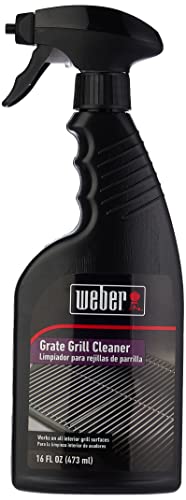 Weber Grill Grate Cleaner and Degreaser |
| Check price on Amazon |
Key takeaways
- Compare five stainless grill cleaners by method and grate safety: two bristle-free coil brushes, a steam brush, and two sprays for stainless grates.
Stainless steel grates show every cook you have done on them. Grease films over the bars, carbon creeps into the corners, and the cleaner that works on a cast iron grate can be the wrong tool here. The real decision is the cleaning method itself: a coil brush that scrubs hot metal, a steam head that lifts residue with water alone, or a spray that loosens grease on a cold grate. Each method suits a different routine, and each listing names surfaces it should stay away from.
This roundup is for gas and charcoal grill owners with stainless grates who clean after most cooks, for anyone replacing a worn wire brush, and for cooks who would rather spray and wipe than scrub. The picks below were chosen from their Amazon listing names and stated specs — head type, handle and bottle details, and the exact grate materials each maker names — so you can match the tool to your grill.
Quick Picks
As an Amazon Associate we earn from qualifying purchases
| Product | Best for | Key spec from title |
|---|---|---|
| Kona Safe/Clean Grill Brush | Hot-grate scrubbing with no loose bristles | Three rows of stainless steel coils |
| GRILLART Grill Brush and Scraper Bristle Free | Buildup that needs a scraper as well as coils | 18-inch bristle-free brush with scraper |
| Grill Rescue Bristle-Free Steam Cleaning Grill Brush | Cleaning with water and heat only | Aramid fiber head, heat resistant to 600°F |
| Citrusafe BBQ Grill Grate Cleaner | Gentle citrus cleaning on a cool grill | 23 fl oz liquid, citrus scent |
| Weber Grill Grate Cleaner and Degreaser | A maker-matched spray for stainless grates | 16 fl oz spray bottle, model 8027 |
How to Choose
Start With the Cleaning Method, Not the Brand
Brushes, steam heads, and sprays solve different problems. A coil brush removes fresh residue mechanically while the grate is still hot, which keeps buildup from hardening between cooks. A steam head trades scrubbing force for heat and water, lifting grease without any formula at all. A spray works chemically on a cool grate and needs dwell time plus a wipe or rinse to finish the job. Decide how you actually clean — straight after cooking, or the next morning — and the method picks itself.
Match the Tool to Your Grate Bars
Stainless grates are not all built alike. Thick flat bars tolerate firm coil brushes well, but at least one listing in this roundup warns against using its coils on thin round stainless bars or small portable grills, where the head can bear down unevenly. Porcelain-enameled bars call for a gentler touch than bare steel. Read the surface list and the exclusions on the listing against the grates you own, including any warming rack you plan to clean with the same tool.
Hot Cleaning and Cool Cleaning Are Different Routines
Coil brushes and steam heads are made for a hot grate: you dip the head in water, and the contact with hot metal does part of the work. Sprays in this roundup go the other way — the Weber and Citrusafe listings are built around application on cool grates, followed by scrubbing or wiping and, for the Weber spray, a rinse. Mixing the two routines up wastes product and effort. If your habit is to clean the next day, buy for a cold grate, not for a hot one.
Look at the Wear Parts and the Reach
A grill cleaner is a consumable, and the listings show where each design wears out. Steam heads are replaceable pads over a foam core, coil brushes are one fixed unit that you retire whole, and sprays run out by the bottle. Handle length and material decide how close your hand gets to a hot grate and how much leverage you can apply. Bottle size matters the same way: a wide four-burner grate cleaned weekly will empty a small bottle fast.
The 5 Best Options
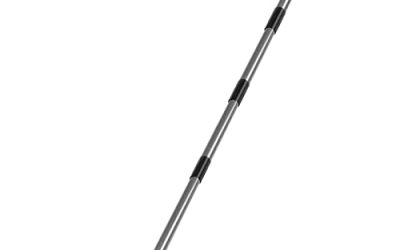
Kona Safe/Clean Grill Brush
- Best for: Owners of standard gas and charcoal grills who scrub hot stainless grates after most cooks.
- Head: Three rows of stainless steel coils, no loose bristles
- Material: Rust-resistant stainless steel
- Model: 720 Grill Brush
- Weight: 0.75 lb
Owners of standard gas and charcoal grills who scrub hot stainless grates after most cooks.
The listing does not recommend this brush for small portable grills or thin round stainless steel grates, and no scraper is built in for thick carbon.
The Kona replaces wire bristles with three rows of wound stainless steel coils, so there are no individual bristles to snap off and land on the cooking surface. Its listing describes steam cleaning as the working method: preheat the grill, dip the brush in water, and work the grate in sections while the coils wrap the tops and sides of the bars at once. It suits stainless grate owners who clean while the grill is hot and want one fixed tool with no heads or pads to reorder. The maker also backs it with a long warranty term, stated on the listing.
GRILLART Grill Brush and Scraper Bristle Free
- Best for: Stainless grate owners facing baked-on patches who want coils and a scraper in one tool.
- Length: 18 inches
- Head: Hard-wired stainless steel mesh coils, bristle-free
- Scraper: Built-in stainless steel scraper blade
- Model: RFS017
Stainless grate owners facing baked-on patches who want coils and a scraper in one tool.
The listing itself notes bristle-free brushes can clean more slowly than wire brushes, and the coils may not reach the bottom of deep cast iron channels.
GRILLART takes the same bristle-free coil idea and adds the piece the Kona leaves out: a wide stainless steel scraper mounted above the coils. The listing describes a hard-wired stainless mesh head in a three-in-one layout, with the two shorter helix sides meant for edges and the gaps between grate bars. The suggested routine is to scrape stubborn patches first, then brush the hot grate, dipping the head in water often to keep steam working. It fits cooks whose stainless grates carry heavier, older buildup that a plain coil head passes over.
Grill Rescue Bristle-Free Steam Cleaning Grill Brush
- Best for: Cooks who want chemical-free cleaning and are happy to clean while the grate is hot.
- Head: Aramid fiber layer over heat-retardant foam, replaceable
- Heat resistance: Up to 600°F, per the listing
- Handle: Polypropylene
- Model: GR-SCRAPER-S
Cooks who want chemical-free cleaning and are happy to clean while the grate is hot.
The routine needs a hot grill and a container of water every time, and the head is a wear part that needs replacing as it thins.
Grill Rescue cleans with nothing but water and a hot grate. The head is a heat-retardant foam wrapped in a high-temperature aramid fiber layer; you soak it, press it onto hot bars, and the steam lifts grease and residue that a dry pad would smear around. This scraper version adds a scraping edge for the crust that forms around the bars. The head pops off for the dishwasher or washing machine and is replaceable when it wears down. It is the pick for cooks who want no cleaning formula near the cooking surface at all.
Citrusafe BBQ Grill Grate Cleaner
- Best for: Regular upkeep on cool stainless grates by cooks who avoid harsh fumes near food surfaces.
- Size: 23 fl oz
- Form: Liquid, citrus scent
- Model: CITRUSAFE-3100002 #2
- Specific use named on the listing: Grill grates
Regular upkeep on cool stainless grates by cooks who avoid harsh fumes near food surfaces.
It is a cool-grate product, so it does nothing for a still-hot grill, and heavy carbon may need a second application or a scraper first.
Citrusafe is the gentle spray in this lineup, a citrus-scented liquid built around the degreasing strength of citrus rather than a caustic formula. The listing describes it as non-flammable, non-corrosive, non-toxic, and phosphate free, and the maker’s guidance for the range is consistent: apply it to cool grates, let it sit briefly, then wipe or scrub away the loosened grease. The 23-ounce bottle is the largest single container here, which suits owners of wide grates who clean often. It will not chew through a season of carbon, and it does not pretend to.
Weber Grill Grate Cleaner and Degreaser
- Best for: Weber and other gas or charcoal grill owners who want a spray whose listing names stainless grates directly.
- Size: 16 fl oz (473 ml) spray bottle
- Model: 8027
- Dimensions: 2 x 3.75 x 10.81 inches
- Weight: 1 lb
Weber and other gas or charcoal grill owners who want a spray whose listing names stainless grates directly.
The listing does not name nonstick coatings among its surfaces, and the rinse step is part of the method, not an optional extra.
Weber’s spray earns its place on specificity: the listing names porcelain-enameled cast iron and stainless steel grates as the surfaces it is made for, and describes a ready-to-use cleaner for interior grill parts and cooking grate surfaces on gas and charcoal grills. The formula is non-flammable, non-corrosive, and phosphate free, and the method is spray, scrub or wipe, then rinse. The same listing also names smokers, ovens, and microwaves, so one bottle can cover the patio and part of the kitchen. It suits owners who want the grill maker’s own cleaner matched to their grate material.
Which One Fits Your Situation
You Clean While the Grate Is Still Hot
Work right after cooking and the heat does half the job. The Kona coils scrub fresh residue before it hardens, and the Grill Rescue head turns that same heat into steam if you want no brush contact beyond a pad. Either way, keep a container of water beside the grill, because both listings build the dip into the method.
Your Grill Sat Dirty for Months
Old carbon needs force before chemistry. Start with the GRILLART scraper to break the crust, follow with its coils, and use the Weber spray on the cooled grate for the grease film underneath. Expect two passes rather than one, and treat the job as a reset: once the grates are clean, a hot brush after each cook keeps them that way.
You Keep Chemicals Away From the Cooking Surface
Choose the Grill Rescue and clean with water alone. Its aramid fiber head holds up to hot grates, pops off for the dishwasher, and never leaves formula behind to rinse. The trade is effort and timing: it only works on a hot grill, so the cleaning has to happen while the grates are still up to temperature.
You Clean the Next Morning, Grill Cold
Sprays own this routine. Citrusafe suits light, regular grease and leaves a citrus scent instead of a chemical one, while the Weber spray is the stronger degreasing step for grates that went a few cooks too long. Apply either to the cold grate, give it the dwell time the label asks for, then wipe or scrub and dry the bars.
Common Mistakes
- Keeping a worn wire brush in service and skipping the wipe-down afterward, which is how loose bristles end up on grates.
- Spraying a cool-grate formula onto hot metal, where it flashes off before it can loosen any grease.
- Bearing down with a coil brush on thin round stainless bars when the listing warns against exactly that pairing.
- Leaving degreaser residue on the grate by skipping the rinse step the method calls for.
- Waiting a whole season between cleans, then expecting one gentle spray to undo months of baked-on carbon.
Frequently Asked Questions
Are bristle-free coil brushes safe on stainless steel grates?
Generally yes, and the listings here name steel grates among their surfaces. The exception matters: the Kona listing warns against thin round stainless bars and small portable grills, where its coils can press unevenly. Match the head to your bar shape, use steady strokes along the bars, and the coils clean without the loose-bristle risk of a wire brush.
Should I clean stainless grates hot or cold?
It depends on the tool, not on preference. Coil brushes and the Grill Rescue steam head are built for a hot grate and use water to make steam. The Citrusafe and Weber sprays are made for cool grates, where the formula can sit and work. Pick the routine you will actually follow, then buy the cleaner designed for it.
How do I remove carbon that has baked on for a season?
Break the crust mechanically first with the GRILLART scraper, then brush with its coils while the grate is hot. Once the grill cools, a degreasing spray such as the Weber lifts the grease film the tools leave behind. Heavy buildup usually takes two cycles of this, and a light clean after each cook stops it from coming back.
When should a grill brush or cleaning head be replaced?
Replace a steam head when the pad thins, tears, or stops holding water, since the steam is the cleaning action. A coil brush is done when the coils flatten or kink and no longer wrap the bars. Worn tools scrub less and tempt you to press harder, which is hard on stainless bars, so swap them at the first clear drop in performance.